


About
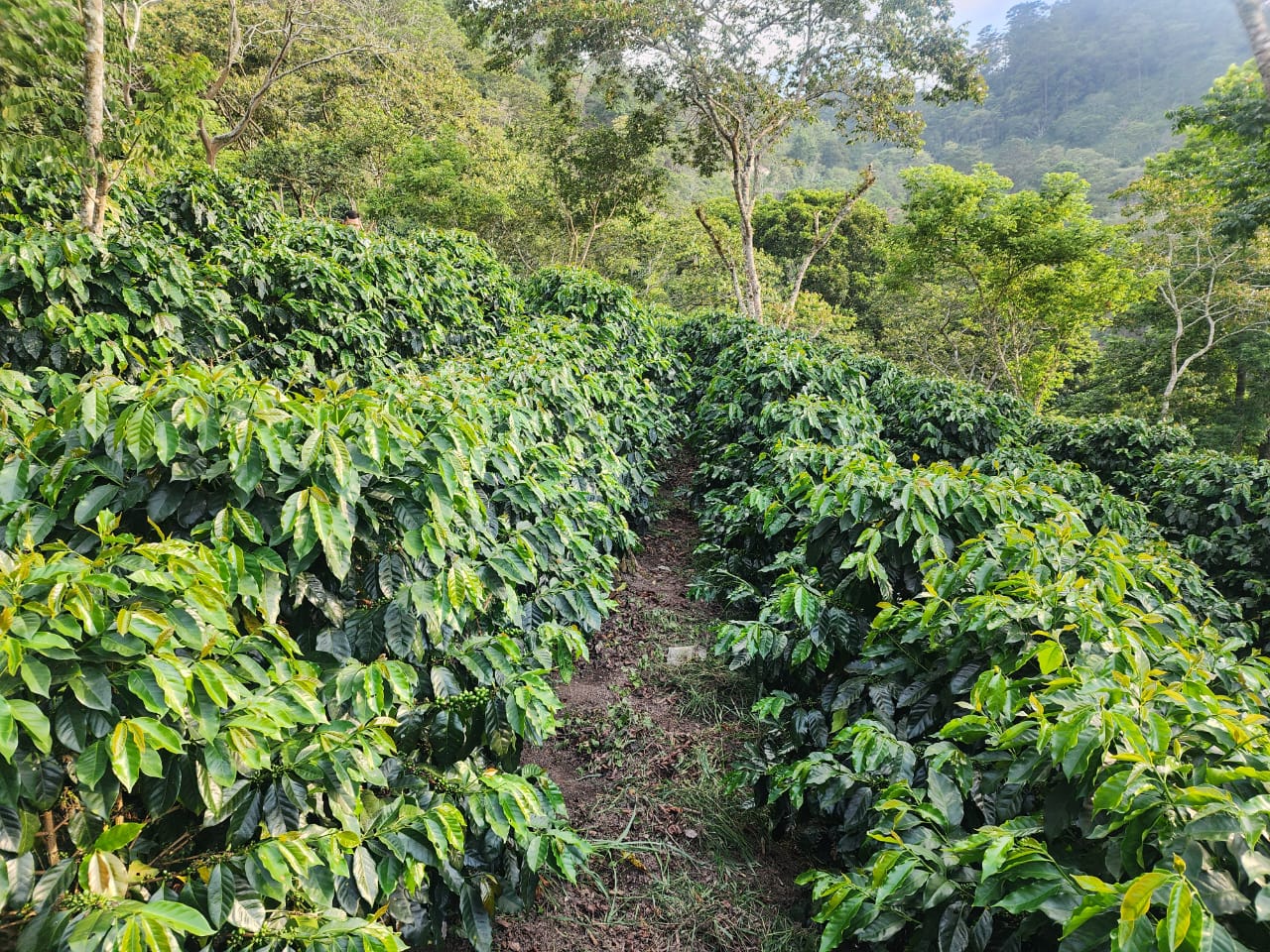
The coffee growing region of Copán, located in western Honduras, is widely recognized for its exceptional coffee production. Within this area, San Pedro de Copán stands out for its ideal combination of altitude, climate, and fertile soils that create the conditions for producing coffees of remarkable quality. Coffees from this region are known for their sweet and aromatic profiles, often marked by notes of chocolate, caramel, and citrus. They present a creamy, full body, balanced aftertaste, and a delicate acidity that distinguishes them in the cup. The most common varieties cultivated in Copán include Bourbon, Caturra, Catuai, IHCAFE 90, and Lempira, each contributing to the diversity and complexity for which the region is known.
|
|
 |
 |
The Process
The journey of green coffee begins with the careful selection of ripe red cherries at peak maturity. Once harvested, the cherries are promptly transported to wet mills, where they are mechanically pulped to remove the outer fruit layer. Following pulping, the beans are placed in fermentation tanks or resting pits for 12 to 15 hours. This controlled fermentation period breaks down the remaining mucilage, enhancing clarity in the cup and promoting the development of clean, refined flavors. After fermentation, the beans are washed in running water channels to ensure complete removal of residual mucilage, resulting in a fully clean parchment coffee.
Drying takes place in solar dryers, where the beans are evenly spread and monitored closely to maintain consistent drying conditions. This step is critical in preserving the coffee's quality and shelf life. Once the beans reach the ideal moisture level, they are hulled to remove the parchment layer. Finally, only the best beans are threshed, sorted, and prepared for export, ensuring high quality and consistency throughout the lot.